Cute Halloween Patterns for Creative Projects
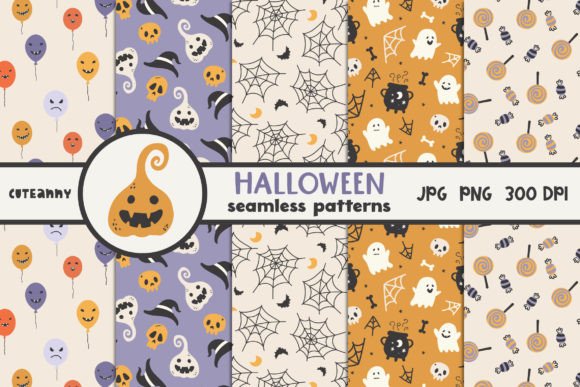
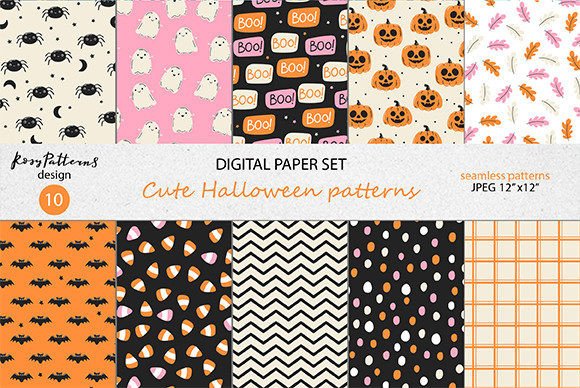
There’s a quiet magic in patterns that feel both playful and purposeful—especially when they’re designed to work seamlessly across surfaces, scales, and formats. Cute Halloween Patterns deliver exactly that: ten hand-drawn, digitally crafted seamless patterns—each one a 12×12 inch JPEG at 300 dpi, ready for high-quality printing or digital use. They’re not just themed decorations; they’re functional design assets built for flexibility, consistency, and creative control.
Why Seamless Matters—Beyond Aesthetics
Seamless doesn’t just mean “no visible edges.” It means freedom. With these Cute Halloween Patterns, you can tile horizontally or vertically without breaks, repeats, or alignment headaches. That makes them ideal for large-format prints—like custom wrapping paper rolls, fabric yardage, or wall decals—without needing advanced software or tiling expertise. For designers using Canva, Photoshop, or even Cricut Design Space, seamless means less prep time and more focus on the final outcome.
This technical advantage supports real-world workflows: a small business owner launching seasonal greeting cards can scale a single pattern across multiple card sizes; an educator preparing classroom Halloween materials can fill entire bulletin boards with consistent, cheerful motifs; a blogger designing Pinterest-optimized banners gets crisp, scalable graphics that hold up on mobile and desktop alike.
What Makes These Patterns “Cute”—and Why That Works
The charm lies in intention—not just subject matter, but execution. Think soft outlines, friendly ghosts with lopsided smiles, pumpkins with rosy cheeks, bats with tiny bows, and candy corn arranged like confetti—not spooky, not saccharine, but warmly inviting. These aren’t caricatures. They’re hand-drawn with subtle texture and gentle variation, giving each repeat a tactile, human-made quality often missing from AI-generated or overly rigid vector sets.
That “cute” sensibility opens doors across audiences. Parents crafting party invites for kids’ classrooms appreciate the age-appropriate whimsy. Crafters selling handmade journals on Etsy find it aligns with popular “cozy autumn” and “spooky-but-sweet” aesthetics. Marketers targeting Gen Z or millennial shoppers know this tone resonates in social-first campaigns—think Instagram Story backgrounds, email headers, or limited-edition product labels.
Real Projects, Real Results
- Scrapbooking & Card Making: Layer a subtle spiderweb pattern as a background, then add bold die-cut elements on top—no clashing, no guesswork. Because all ten patterns share the same color palette and line weight, mixing and matching feels intuitive, not chaotic.
- Fabric & Home Goods: Use one pattern for pillow covers and another for coordinating tea towels. Since each is seamless and print-ready, you avoid costly sampling delays when ordering from print-on-demand services like Spoonflower or Printful.
- Digital Content: Turn a bat-and-candy pattern into a subtle website background (set to 10–15% opacity), or crop a section for a favicon or social media profile highlight icon. The 300 dpi resolution ensures clarity—even when scaled down for thumbnails.
- Educational Materials: Teachers use these to create visually cohesive worksheets, reading logs, or behavior charts. The consistent theme reduces cognitive load for students while reinforcing seasonal learning contexts—without feeling infantilizing.
Adapting for Different Goals—and Keeping It Cohesive
One pattern pack shouldn’t force uniformity—it should support your voice. Here’s how different users keep results original and audience-aligned:
- Freelancers & Small Studios: Use one pattern as a base for client brand extensions—say, a bakery adding Halloween specials. Swap out accent colors in editing software to match existing brand palettes, keeping the cute motif intact but contextually grounded.
- Bloggers & Content Creators: Pair a ghost-themed pattern with clean sans-serif type for minimalist quote graphics. Or overlay it lightly behind recipe cards—just enough visual interest to stand out in a feed, without competing with text.
- DIY Enthusiasts: Print patterns on iron-on transfer paper for custom tote bags or aprons. Because they’re seamless, you won’t get awkward cut-offs at seams—even on curved surfaces like mugs (when used with wrap-around templates).
- Publishers & Educators: Combine two patterns—one as background, one as border—to build printable activity kits. Consistency across pages builds familiarity; variation within the set prevents visual fatigue.
Practical Tips for Best Use
Start simple. Open one JPEG in your preferred editor and experiment with opacity, blending modes, or cropping before layering. You don’t need to use full repeats—sometimes a 4×4 inch section works better as a focal element than a tiled field.
When combining patterns, stick to a maximum of two per project unless contrast is intentional (e.g., a bold candy corn border framing a delicate leaf-and-ghost background). Too many competing repeats dilute impact—even cute ones.
For physical printing, always check your printer’s color profile settings. These patterns are optimized for CMYK-friendly RGB output, but soft-proofing against your target paper stock helps preserve warmth and contrast—especially important for pastel-based designs like lavender witches’ hats or blush-colored mummies.
And remember: “cute” isn’t limiting. It’s a lens. You can lean into nostalgia (vintage-style halftone textures), modern minimalism (monochrome ghosts on off-white), or even subtle humor (a pumpkin wearing sunglasses). The hand-drawn foundation gives you room to reinterpret—not just replicate.
Where Creativity Meets Practicality
At its core, Cute Halloween Patterns solves a quiet but frequent problem: the gap between inspiration and execution. You see a vision—a cozy, joyful Halloween aesthetic—but sourcing assets that scale, coordinate, and print reliably takes time, trial, and often, compromise. This pack closes that gap—not by offering everything, but by offering ten thoughtful, technically sound starting points.
It’s for the graphic designer who values craft over convenience, the teacher who wants classroom materials to feel special without hours of prep, the entrepreneur launching a seasonal collection who needs fast, professional-looking assets without hiring a designer. It’s not about replacing skill—it’s about removing friction so skill can shine.
So whether you’re planning a DIY costume backdrop, designing a newsletter header, or prototyping fabric for a new product line, these patterns are ready—not as finished solutions, but as reliable, repeatable foundations. They’re cute, yes—but more importantly, they’re capable.